
Exploring the complexities of gambling An in-depth overview for enthusiasts
The Historical Evolution of Gambling
The history of gambling traces back to ancient civilizations where various forms of betting were intertwined with religious and social practices. In ancient Rome, for instance, games of chance were prevalent, involving betting on gladiator matches and chariot races. These early forms of gambling reflected both the culture of the time and the human propensity for risk-taking, serving as entertainment while also raising questions about morality and ethics that are still discussed today. Today, many players seek platforms like Playzilla Casino, drawn by offers such as the playzilla bonus.
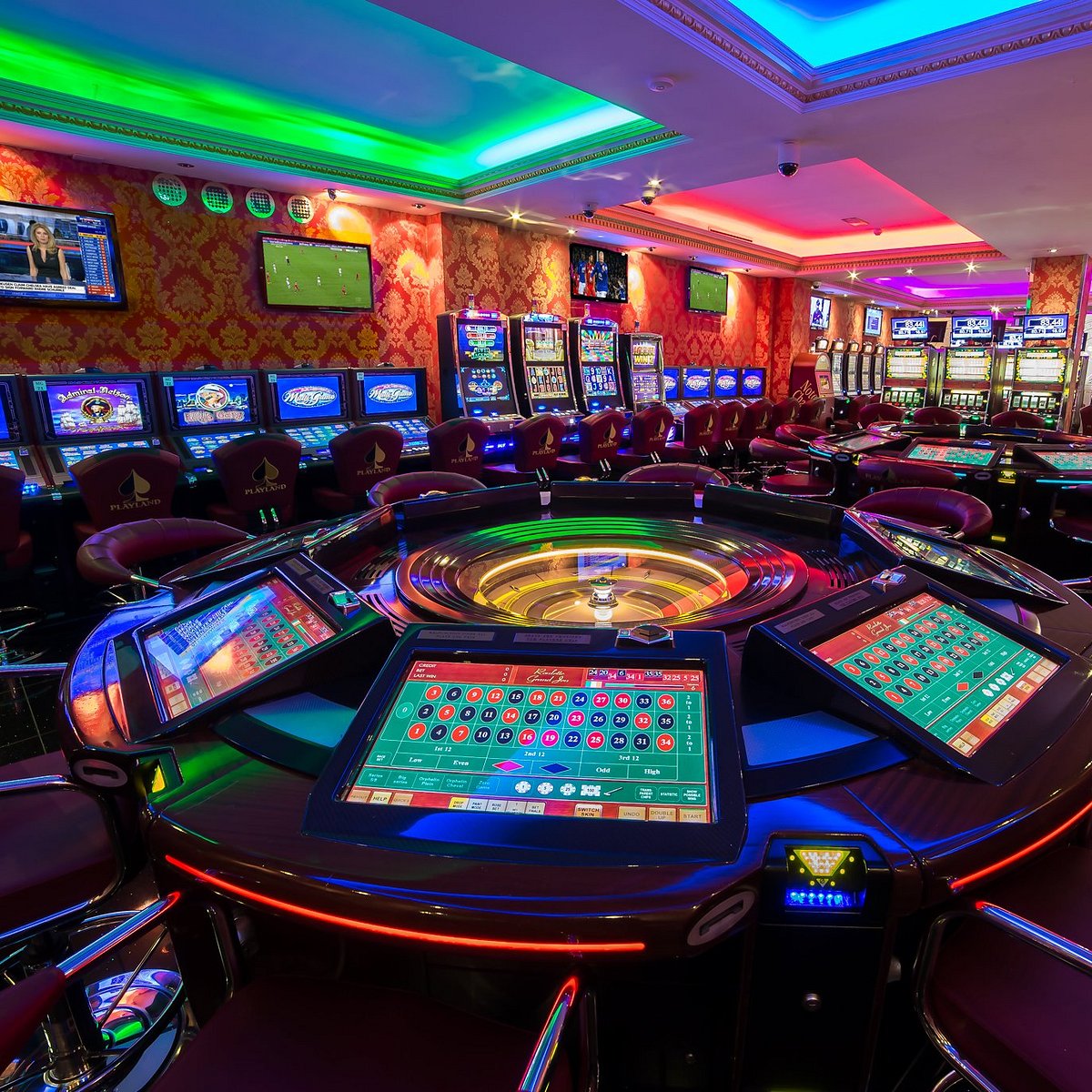
As time progressed, gambling transformed with the advent of formal structures, such as casinos, which emerged in the 17th century. Venice was home to some of the earliest gambling houses, which provided a regulated environment for gambling enthusiasts. This shift towards structured gambling marked a significant cultural change, offering not just games of chance but also social interaction and a sense of community among players. The establishment of laws and regulations around gambling began to take shape during this period, reflecting changing societal attitudes towards risk and reward.
In the 20th century, gambling saw a dramatic expansion with the introduction of state-sponsored lotteries and the legalization of casinos in various countries. The emergence of online gambling platforms in the late 1990s marked another significant leap, allowing enthusiasts to engage with games from the comfort of their homes. This evolution has shaped modern gambling culture, creating a diverse landscape where traditional practices coexist with cutting-edge technology, providing endless opportunities for players worldwide.
Cultural Differences in Gambling Practices
Gambling is not a monolithic experience; it varies significantly across cultures, influenced by historical, social, and legal factors. In many Asian cultures, for example, gambling is closely tied to festivals and family gatherings, with games like Mah Jong and poker being staples in social settings. These practices emphasize community and shared enjoyment, contrasting with Western perspectives where gambling is often seen as a solitary pursuit or a vice. The context in which gambling occurs plays a crucial role in shaping attitudes and behaviors towards it.
In contrast, in countries like the United States, gambling has a more commercialized approach, with Las Vegas symbolizing the pinnacle of gambling culture. Here, the allure of lavish casinos, entertainment, and themed experiences draws millions of tourists annually. This focus on spectacle and consumerism highlights how cultural attitudes can shape the infrastructure and marketing strategies surrounding gambling, leading to a thriving industry that is both celebrated and criticized.
Additionally, some cultures view gambling through a lens of spirituality and superstition. In many Indigenous communities, gambling is intertwined with traditional ceremonies, reflecting a deep connection to ancestral practices. These differences illustrate the complexity of gambling as a cultural phenomenon, where the motivations and methods of play can vary widely, influenced by local customs, values, and beliefs.
The Psychology of Gambling: Why People Play
The psychological motivations behind gambling are as varied as the games themselves. Many individuals are drawn to gambling due to the thrill of risk and the potential for reward. This excitement can trigger a release of dopamine, creating a pleasurable experience that encourages players to continue betting. This psychological aspect is significant in understanding why people engage in gambling behaviors, often blurring the lines between entertainment and compulsion.
Moreover, the social aspect of gambling cannot be overlooked. For many, visiting a casino or participating in a poker night is as much about the social interaction as it is about winning money. The camaraderie that develops in these settings can foster a sense of belonging, making gambling an appealing activity. Players often share stories, strategies, and experiences, enhancing the communal experience that surrounds many gambling contexts.
However, this enjoyment can lead to problematic behaviors. The allure of winning can create a cycle of chasing losses, where individuals continue to gamble in hopes of recovering previous losses. Understanding these psychological dimensions is crucial for both players and those who support them, as it underscores the importance of responsible gambling practices and the need for awareness of the potential risks involved.
Legal and Ethical Considerations in Gambling
The legal landscape of gambling is intricate, varying widely from one jurisdiction to another. In some countries, gambling is heavily regulated or outright prohibited, while in others, it is a significant source of revenue for governments. These laws often reflect societal attitudes towards gambling, encompassing issues of morality, social responsibility, and economic impact. Understanding these legal frameworks is essential for both enthusiasts and operators in the gambling industry.
Ethically, the gambling industry faces challenges related to consumer protection, addiction prevention, and responsible marketing. Operators have a responsibility to ensure that their platforms promote safe gambling practices and provide resources for those who may struggle with addiction. This ethical obligation extends to transparency in odds and payouts, as players deserve to understand the risks involved in their activities.
Additionally, the rise of online gambling has added layers of complexity to legal and ethical considerations. Issues such as data protection, age verification, and accessibility to vulnerable populations are pressing concerns. As technology continues to evolve, so too must the legal and ethical frameworks that govern gambling, ensuring that they protect players while allowing for a thriving and responsible industry.

Playzilla Casino: A Premier Online Gambling Experience
Playzilla Casino stands out as a premier online gaming platform that caters specifically to the needs of gambling enthusiasts. Launched in 2021, this casino offers an extensive range of gaming options, including slots, live dealer games, and traditional table games, providing a comprehensive gambling experience for players of all preferences. With a user-friendly interface and seamless navigation, Playzilla ensures that players can easily find their favorite games and enjoy a smooth gaming experience.
The casino’s generous welcome bonus of 300% up to €3,500 along with 750 free spins makes it an attractive choice for both new and seasoned players. This commitment to rewarding users not only enhances the gaming experience but also reflects Playzilla’s dedication to fostering a vibrant gambling community. By offering competitive wagering requirements and various support options, Playzilla aims to create a safe and enjoyable environment where players can immerse themselves in their favorite games.
Moreover, Playzilla Casino’s licensing in Curacao ensures a level of trust and security for players. The platform’s commitment to responsible gaming and user support highlights its focus on player welfare, making it a reliable choice in the online gambling landscape. As the industry continues to evolve, Playzilla remains a strong contender, offering a diverse range of gaming options and a commitment to player satisfaction that resonates with enthusiasts worldwide.